| |
|
|
| |
 |
 |
 |
Everest adventurous trek - 19 Days |
|
|
| |
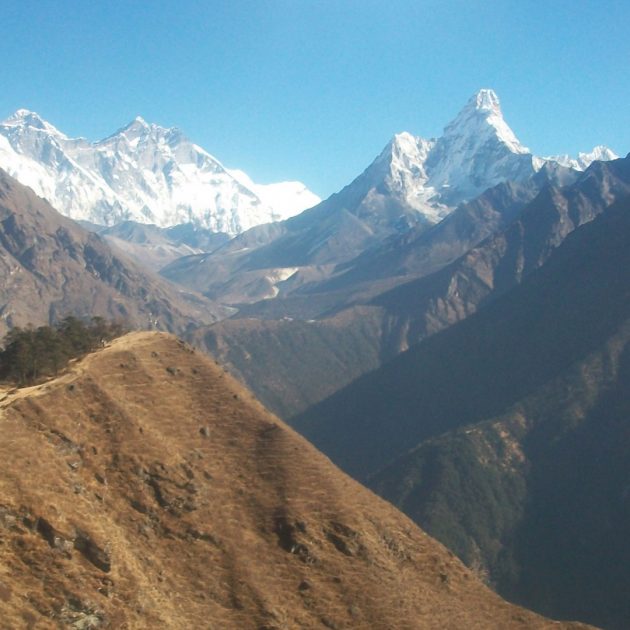
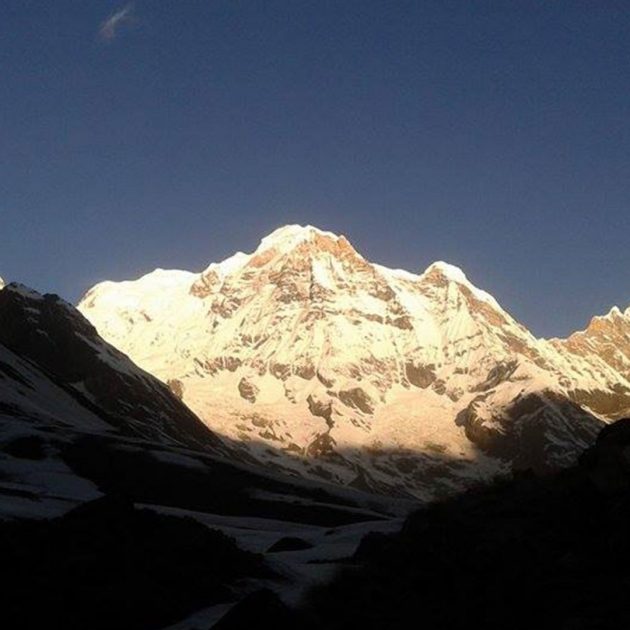
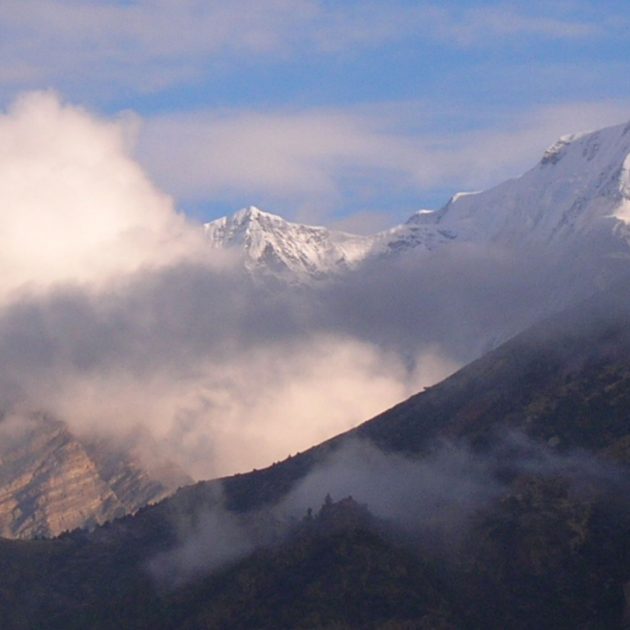
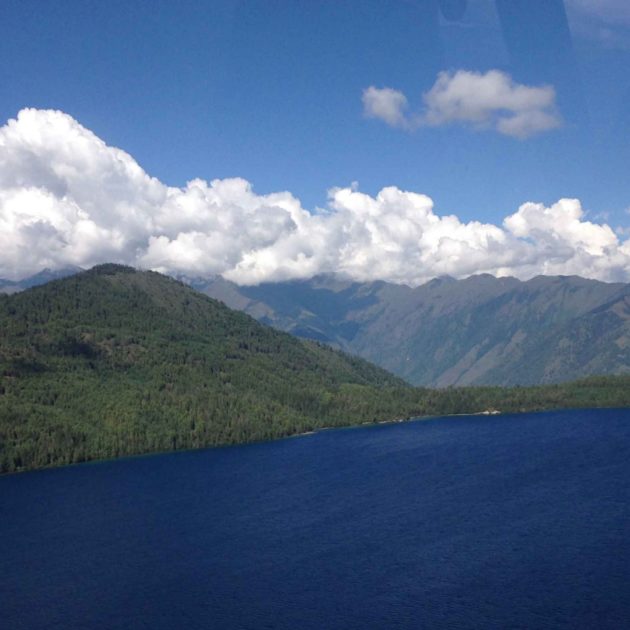
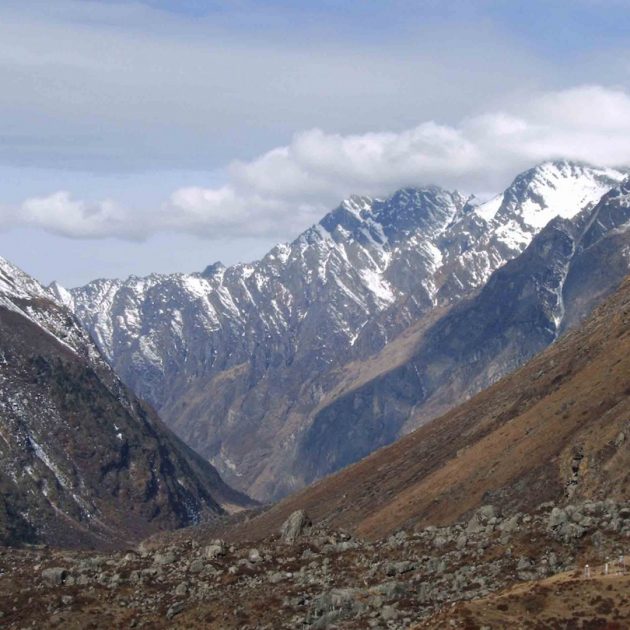
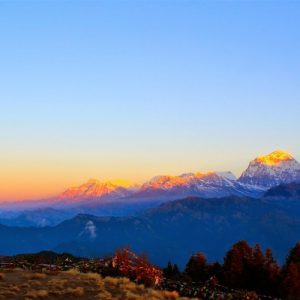
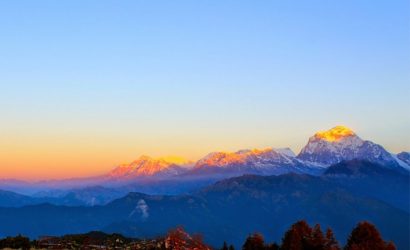
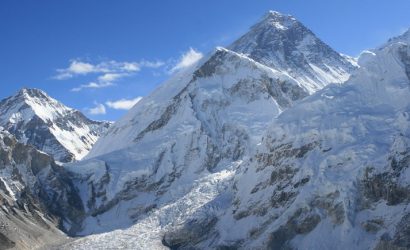
With eight of the world’s ten highest peaks, Nepal is loaded with spectacular mountains vistas. Everest trek is not only famous for its proximity to the world’s highest mountain (8848m.) but also for its friendly Sherpa people, picturesque villages, great variety of cultures and traditions, colorful festivals and monasteries. The flora and fauna are other ornaments of the Sagarmatha National Park. The story of the yeti is still a mystery in the world from the Khumbu region.
This trek gives you the grand tour of the famous Khumbu valley. This is a strenuous trek leading to Gokyo Lake and over the Cho La at 5,430m making a circuit of Tawache (6,367m.) and Cholatse (6,440m). Emerging into the Khumbu valley above Lobuje the trail continues up to Kalapatthar and then back to Lukla via Tengboche and Namche Bazaar. The small herding settlement of Gokyo (4750m) lies on the banks of the third lake in a series of small turquoise mountain lakes and on the ridge above Gokyo, the four peaks above 8000m of Cho You, Everest, Lhotse and Makalu expose themselves. In addition to this you can have a look at the tremendous ice ridge between Cho You and Gyachung (7922m), considered one of the most dramatic panoramas in the Khumbu region. There are many options for additional exploration and high-altitude walking, including the crossing of Cho La, a 5420m-high pass into Khumbu and a hike to Gokyo Ri.
Strenuous trekking is continuously rewarded with dramatic Himalayan scenes, including four of the world’s highest peaks: Cho Oyu (8,201m.), Makalu (8,463m.), Lhotse (8,516m.) and Everest (8,848m.). Breathtaking mountain vistas are complemented by visits to Sherpa villages, homes and monasteries offering you an insight into the quiet but, culturally vibrant Sherpa way of life.
|
| |
| Facts of the Trek |
Duration: 19 Days
Trek type: Tea House
Max Altitude: 5545 m.
Minimum Pax: 1 +
Mode of travel: Flight
Grade: Strenuous |
| |
| Itinerary: |
| |
Day 01 : |
Fly from Kathmandu to Lukla (2886m.) which takes approximately 30 minutes and trek from Lukla to Phakding (2640m.) which takes about three hours. You transfer to the domestic airport for your flight to Lukla. It is a small town with an airport. There are few tea shops, lodges, hotels and general stores. You begin today’s trek from Lukla following a gentle climb up the mountainside on the left bank of the Dudh Koshi. Nupla (5885m) can be seen in the distance on the opposite bank, is a peak atop the Kongde Ridge. You descend a mountainside path that merges into your route to Everest, with views to a valley to your right; and at its far end, Kusum Kang (6367m.) The Dudh Kosi approaches as you pass a Mani wall and arrive at Ghat teahouse. You continue along a small path with many climbs and descents following the left bank of Dudh Koshi to Phakding. |
| |
|
Day 02 : |
Trek from Phakding to Namche Bazaar (3440 m.) which takes about four and half hours. The trail starts along a level path along the right bank. Thamserku looms skyward on the opposite bank. You cross a stream and climb the terraced hill from the Dudh Koshi route, to arrive at Bengar. The trail now climbs from the riverbed on the left bank into the mountain, through a forest to Chumoa. You continue along a path with many ups and downs; cross a stream, and pass by the tiny village of Monjo. Now you descend the path of stone steps and return to the right bank over a wooden bridge. After a short climb you come to Jorsale’s teahouse and hotel, also stop at the National Park Service where a park entrance fee is collected. After your departure from Jorsale, you enter a forested mountainside. You follow a short walk along the riverbed of this V-shaped valley where the river forks - the right is the Dudh Koshi and the left is the Bhote Koshi that leads to Nampa La. After short distance along the Bhote Koshi, begin the steep ascent to Namche Bazar. As the mountain path zigzags uphill, you will emerge at a ridge top rest area that offers excellent views of Everest (8848m) and Lhotse (8516m.) The climb eases somewhat, and Namche Bazar appears ahead as you travel along the path surrounded by pines. Pass the plateau where the Saturday bazaar is held and enter the village. Namche Bazar (3440m) is surrounded on three sides by mountain ranges and opens out only where it faces the Bhote Koshi. The village is a central hub of the area and food, sundries and even mountain climbing equipment may be purchased here |
| |
|
Day 03 : |
Rest at Namche Bazar for acclimatization and excursion around the places. Namche is tucked away between two ridges amidst the giant peaks of the Khumbu and has an abundance of lodges, tea shops and souvenir shops as well as a magnificent outlook. It is an ideal place to spend a rest day for acclimatization at the high altitude before heading off towards Tyangboche. For the acclimatization you walk upto Khunde Hospital which was set-up by Sir Edmund Hillary, or a one hour walk up to the Syangboche (3800m.) where Everest View Hotel is situated above Namche for the outstanding view of Everest, Nuptse, Lhotse, Ama Dablam, Thamserku and Kusum Kangaru. There are also good views from the National Park Centre and Museum just above the town. |
| |
|
Day 04 : |
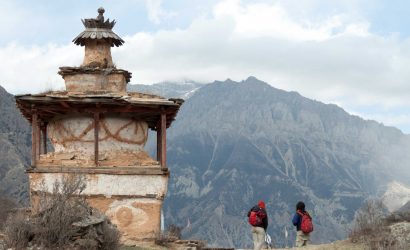
Trek from Namche Bazaar to Thame [3800m] and it takes about four hours. From Namche the route turns west and the trail is almost level as you head up the Bhote Koshi Valley, once a popular trading route into Tibet. Along the way you pass many prayer flags, Mani walls and carved stones, all indicative of the Tibetan Buddhist culture of this area. After descending to the Bhote Koshi the trail climbs steeply to Thame. From here, there are good views of the peaks of Teng Kangpoche and Kwangde and to the north is the Nangpa La, the pass leading to Tibet. Thame Gompa is situated above the village overlooking the valley and is the site for the spring celebrations of the Mani Rimdu festival. |
| |
|
Day 05 : |
Trek from Thame to Khumjung [3790m] and it takes about five hours. You retrace your route down the Bhote Koshi Valley towards Namche and branch off to follow a quiet trail to Khumjung. It is a picturesque village which also has its own Gompa at the top end of town. Here you can have excellent views of Thamserku, Kantega and Ama Dablam. |
| |
|
Day 06 : |
Trek from Khumjung to Dole [4040m] which takes about five hours. Soon after leaving Khumjung the trail climbs to a large chorten on top of a ridge. This ridge descends from Khumbila, a 5761m peak, said to be the abode of the patron God of the Khumbu region. The trail descends slightly towards the Sanasa and then trail ascends up to Mongla (4000m.). From here, you can see panoramic views of various mountains. You trek steeply descend passing through Phortse Tenga and from there, the trail climbs steeply to Dole, through rhododendron and birch forest festooned with hanging mosses and lichens. You can enjoy delicious meal at Phortse Tenga (3650m.). Dole is a small village surrounded by hills where the inhabitants belong to different ethnic groups. |
Day 07 : |
Trek from Dole to Machhermo [4410m] and it takes about four and half hours. From Dole you climb steadily along the side of the valley, where the small and thorny bushes give way to scrub juniper as the altitude increases. The trail passes many summer settlements, which are used when yaks are taken to these pastures to graze in the summer months. Ahead of you are excellent views of Cho Oyu, while back down the valley are the peaks of Kantega and Thamserku. This day your walk is comparatively shorter and you will arrive at Machhermo in time for lunch. |
| |
|
Day 08 : |
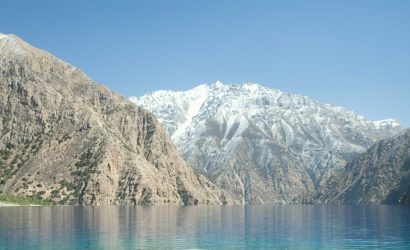
Trek from Machhermo to Gokyo [4750m] which takes about four and half hours. Today you head for the lakes at Gokyo. You follow a very scenic path to Pangka and then descend slightly, following one of the melt-water rivers which flow down the west side of the Ngozumpa Glacier. You climb a steep rocky inclined into the valley by the side of the glacier, passing the first of the holy lakes. You soon arrive at the second of the lakes, crossing the path which heads across the glacier to Cho La (5420m.) - your route to Lobuche and Everest, later in the trek. The third lake is known as Dudh Pokhari and on its eastern shore is the settlement of Gokyo. Walking by the side of the lake, the scenery is magnificent with the summits of Cho Oyu and Gyachung Kang reflected in its emerald green waters. |
| |
|
Day 09 : |
Rest day at Gokyo and excursion in and around Gokyo valley Gokyo is a trade centre where the Sherpa people run lodges to provide the best services to the trekkers. Gokyo is situated by the side of Ngozumpa glacier, the biggest glacier of Nepal. This day you can make a side trip to Fifth Lake via Fourth Lake. |
| |
|
Day 10 : |
Trek/climb from Gokyo to Gokyo Ri [5483m] & Trek back to Thangna [4650m] via Gokyo village and it takes about five hours. Gokyo Ri looms above the village on the northern edge of the lake and you leave camp just after first light, following a steep path up the hillside. As you climb, the summits of Everest, Lhotse and Makalu slowly come into sight and the view from the summit of Gokyo Ri itself, is one of the finest to be had in the Everest region - some say it is even better than that from Kala Patthar. After lunch it is a short walk to the village of Thangna, situated at the shore of the Ngozumpa Glacier. |
| |
|
Day 11 : |
Trek from Thangna to Dzongla (4843m.) via Chola pass (5420m.) and it takes about six hours. Now you ascend slightly along the valley towards Chola pass. The pass you pass through is covered with rocks. The Chola pass is most of the time covered with blue ice giving you a chill feeling. Here you can also enjoy the panoramic view of various mountains. From here, the trail descends steeply down for an hour and then slightly descends all the way to Dzongla. |
| |
|
Day 12 : |
Trek from Dzonglo to Gorakshep (m.) via Lobuche which takes about five and half hours. From Dzongla the trail descends and ascends gently and contours around the west side of the Lobuche Khola, providing excellent views of Ama Dablam, the Nuptse-Lhotse wall and Everest. The trail coming from Pheriche meets at the Lobuche Khola (Lobuche Stream). |
| |
|
Day 13 : |
Trek from Gorakshep to Everest Base Camp (5337m.) and back to Gorakshep which takes about four and half hours. While trekking to Everest Base Camp you pass through a trail, which weaves its way through ice pinnacles and past the crevasses of the Khumbu Glacier. During the spring season, you can meet some expedition team on the Everest Base Camp. The number of team is less in the autumn season. On the return leg, you can take a higher route to get a spectacular view of the Khumbu icefall and numerous mountains. You return to Gorak Shep to stay overnight. |
| |
|
Day 14 : |
Trek from Gorakshep to Kala Patthar (5545m.) and trek to Pheriche (4243m.) and it takes about six hours. You accomplish an early morning climb to Kala Patthar (5545m.) to enjoy the view of sunrise. From Kala Patthar you can have a panoramic view of Mt. Everest and many other mountain peaks like Mt. Pumori, Mt. Lingtren, Mt. Khumbetse, Mt. Nuptse, Mt. Lhotse, Mt. Ama Dablam, Mt. Thamserku and many more. Pheriche is the place where one can make phone calls to any part of the world. You can see the mountain Yaks in Pheriche. Yaks are normally regarded as the porters in this area. The town of Pheriche is known as windy town. There you can see the perpendicular walls of Cholatse and Tawache. There is located Himalayan Rescue Association Aid Post and foreign volunteer doctors are to provide medical treatment to trekkers as well as local people. |
| |
|
Day 15 : |
Trek from Pheriche to Tyangboche (3867m.) and it takes about four and half hours. To reach Tyangboche you pass through Pangboche village which is known to have highest permanent settlement throughout the year in Khumbu region. The trail ascends and descends at a slow speed. Upon your arrival at Tyangboche village you come across the famous legendary monastery, the largest in the Khumbu region. There is a trekker's visiting centre where local Sherpas make an exhibition of different goods to be sold to interested trekkers. They also show a slide presentation about Sherpa people, culture, Buddhist religion and environmental development programs. |
| |
|
Day 16 : |
Trek from Tyangboche to Namche Bazaar (3440m.) which takes about four and half hours. The walk from Tyangboche is mostly downhill on the main busy trail with a few steep climbs for an hour from the bridge at Phungitenga, near to Shanasha. The walk to Namche is very scenic on a long winding path. En route you will visit traditional villages of Khumjung and Khunde, an opportunity to visit one of its monastery, the only monastery that has a Yeti Scalp. From Khumjung village another 30 minutes walk brings you to the village of Khunde, where you can visit the Khunde Hospital funded by Sir Edmund Hillary Trust. After Khunde, a scenic and pleasant walk brings you to Namche for overnight stay. |
| |
|
Day 17 : |
Trek from Namche to Phakding (2640m.) and it takes about three and half hours.
The trails descend steeply for early one and half hours. After that, the path has small ups and down to Phakding through Monjo. |
| |
|
Day 18 : |
Trek from Phakding to Lukla [2886m] and it takes about three hours. Your final day's trekking follows the Dudh Koshi back down to Lukla. This last evening in the mountains is the ideal opportunity for a farewell party with the Sherpa guides and porters, where you can sample some chhang, try Sherpa dancing and look back on a memorable trekking experience. |
| |
|
Day 19 : |
Fly back to Kathmandu from Lukla which takes about 30 minutes. You take an early morning flight back to Kathmandu. |
|
| |
| Services Included |
| National Park entry permit, Trekking permit, Land transportation to and fro, Accommodation in lodges during the trek, Food: three meals a day, A guide & required number of porter(s), Essential equipment. |
| |
| Services Excluded |
| Personal expenses, Insurance, Tips, Emergency evacuation by Helicopter, Alternative transportation in case of heavy rain, landslide, strike, road blockade etc. |
| |
|
|
|
|